
Introduction
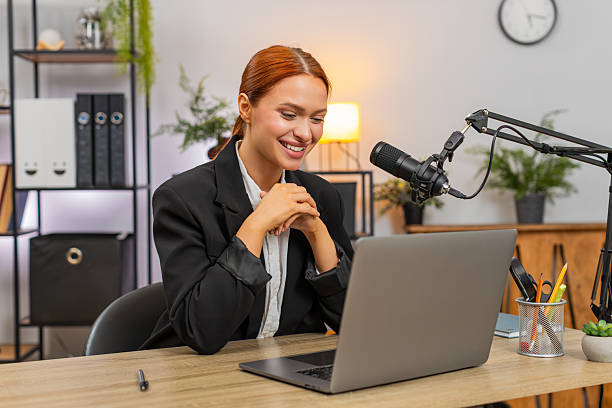
When I first heard about online vocal training, I thought, Can staring at my laptop really teach me to hit those high notes without sounding like a dying cat? Turns out, it’s not magic, but it’s pretty close. Online vocal training is basically taking singing lessons through apps, video calls, or pre-recorded courses. The beauty of it? You don’t need to worry about rushing to a studio or worrying if your neighbor judges your off-key attempts. Some apps even give instant feedback on pitch, tone, and breathing. I tried one last year just for fun, and I swear, within a couple of weeks, I noticed I could hold notes longer without turning red in the face.
Why People Are Jumping on the Online Vocal Train
Look, the pandemic definitely pushed this trend into overdrive, but even before that, social media was buzzing with people bragging about their progress. TikTok and Instagram reels are full of these from shower singer to stage ready stories, and honestly, that’s contagious. People love the flexibility. You can train at 3 AM if you feel inspired, or squeeze a quick session between Netflix episodes. And the tech is actually smart — AI can spot if you’re flat or sharp, which is something most casual instructors might miss. Plus, some platforms connect you to real vocal coaches for personalized tips. It’s like having a personal coach in your pocket, minus the awkward small talk.
The Surprising Benefits Beyond Just Singing
Here’s a little secret: online vocal training isn’t just about belting out songs. It helps with breathing, posture, and even confidence. I noticed I started speaking clearer in meetings and calling my friends without mumbling. Apparently, social media chatter agrees — people are posting about feeling more confident and less stressed after a few months of daily practice. And yes, it’s kind of funny that singing along to random pop songs can actually double as a mini workout for your lungs. Some users even claim it helps with anxiety. Imagine that: your Spotify playlist is now also your mental health toolkit.
Common Misconceptions That Might Stop You
Some folks think online lessons are a scam, or that you need fancy equipment to make it work. Not true. You honestly just need a decent mic and a willingness to practice (okay, maybe a bit of stubbornness too). Others worry about feedback — can an app or a screen really correct your mistakes? Yes and no. It won’t replace the magic of a live coach’s touch, but it’s a pretty solid substitute. I made the mistake of ignoring pitch drills for a few days, and my neighbor, who I’d been annoying with my morning scales, definitely noticed. So, practice matters.
Conclusion
Here’s where I drop some advice I wish someone told me when I started: consistency beats everything. Ten minutes every day is better than one hour once a week. Record yourself — it cringes at first, but it’s the fastest way to notice progress. Engage in communities online; Reddit and Discord have active singing groups where people share tips and motivate each other. And finally, don’t forget to have fun. Some of my best sessions ended in laughing at how awful I sounded, but then, a week later, I hit a note I never thought I could.
