
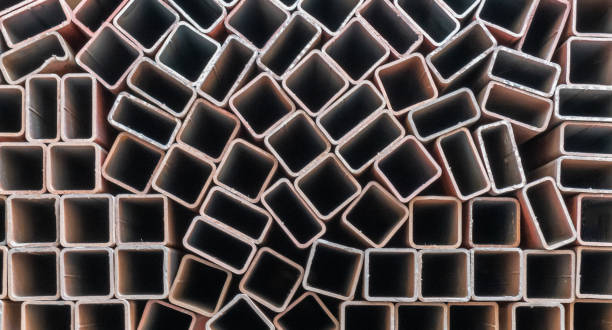
Steel is one of those things nobody talks about unless a building cracks or a bridge looks scary. Otherwise, it just exists. Quiet. Heavy. Reliable in a very unglamorous way. I didn’t care much either, until I started noticing how often Ms square steel shows up in everyday stuff. Not in a flashy way, more like that friend who never posts on Instagram but somehow holds everyone together. Mild steel squares are everywhere once you know what to look for, and yeah, now I’m that person who notices metal frames in cafés and parking lots. Slightly annoying, I know.
Why Mild Steel Squares Don’t Get Enough Credit
Most people hear “mild steel” and instantly think cheap or basic. Which is funny because basic doesn’t mean weak. It’s like saying rice is boring while eating it three times a day. MS squares are popular because they’re strong without being dramatic about it. No extra alloys screaming for attention, just carbon in small amounts doing its job.
A lesser-known thing is that mild steel actually has better ductility than many high-strength steels. In simple words, it bends a little before giving up. That’s a good thing. In construction, sudden snapping is way worse than slow bending. Engineers love predictability, even if Instagram doesn’t.
That Time I Noticed Steel More Than People
Quick story. I once sat in a half-finished warehouse waiting for an interview. Nothing to do, phone battery dying, awkward silence. So I stared at the structure. The square bars forming the frames were not fancy, but they were everywhere. Columns, supports, random welded sections. I remember thinking, if this place survives monsoon winds and careless forklifts, it’s because of these quiet steel sections. Interview didn’t go great by the way, but the building stood tall. Small win for steel.
How These Steel Sections Actually Get Used
MS square sections are kind of the Swiss Army knife of steel. Fabricators love them because cutting and welding is easy. You don’t need some elite-level machinery. Even small workshops handle them daily.
They show up in gates, grills, stair railings, industrial sheds, bed frames, solar panel structures, even those temporary stages at weddings. The reason is simple. Square shape distributes load evenly, and mild steel doesn’t fight back when you try to shape it. Compared to round bars, square ones sit better in frames. Less rolling around, more staying put. Very relatable, honestly.
Social Media Doesn’t Talk About It, But Industry Does
If you scroll construction reels or factory tours, people rarely name the material. They just say “steel frame” and move on. But in comment sections, especially on LinkedIn or those niche manufacturing pages, you’ll see contractors casually mentioning MS sections like it’s common knowledge. Which it is, just not to outsiders.
There’s also this quiet trend of small manufacturers switching from heavier sections to optimized MS squares to save cost. Steel prices fluctuate a lot, and every kilogram matters. A few fabricators online even joke that their profit depends more on steel weight calculations than sales skills. Kinda true.
The Price Factor Nobody Likes Talking About
Let’s be honest, cost is a big reason mild steel wins. Stainless looks nice but costs a kidney. High-carbon steel is strong but fussy. Mild steel sits comfortably in the middle, affordable and forgiving.
A niche stat I came across while doom-scrolling industry reports was that mild steel products still account for over 70 percent of steel used in small-scale fabrication in India. That’s huge. Not trending on Twitter, but definitely trending in real life.
Also, MS squares are easier to source. You don’t wait weeks for delivery. Stockists almost always have them. In construction, time is money, and delays hurt more than slightly lower tensile strength.
Durability Without Drama
People assume mild steel rusts easily, which is partly true, but also exaggerated. With proper painting or galvanizing, it holds up really well. I’ve seen structures older than me still standing with just a few repaint jobs. Compare that to materials that crack, chip, or look outdated fast.
Another underrated thing is repairability. If something bends or cracks, you don’t replace the whole thing. You cut, weld, move on. Try doing that with some modern composite materials. Not fun.
Why Builders Keep Coming Back to It
Builders are practical creatures. They don’t care about buzzwords. They care about whether material shows up on time, behaves predictably, and doesn’t explode the budget. MS square sections tick those boxes.
There’s also a skill familiarity angle. Most welders are trained on mild steel. Less learning curve means fewer mistakes. And trust me, mistakes in steel are expensive and loud.
Steel Feels Old-School, But It’s Not Going Anywhere
Even with all the talk about lightweight materials and futuristic construction, steel is still holding ground. Mild steel especially. It adapts. Solar structures, modular buildings, temporary installations, all use variations of it.
By the time someone notices a structure, the steel has already done its job silently. That’s probably why it doesn’t get love online. No drama, no controversy, just strength doing strength things.
In the end, Ms square steel is not exciting, and that’s exactly why it works. It’s dependable in a world that keeps changing specs every year. You don’t brag about it at parties, but you trust it with your roof, your gate, your factory floor. And honestly, that’s a bigger compliment than any viral post.
