
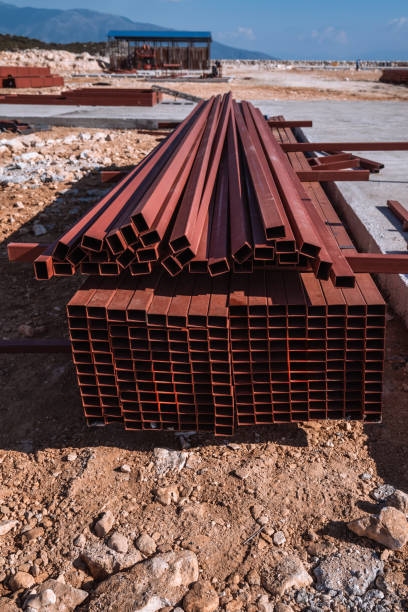
I used to think steel was one of those background things, like electricity. Always there, nobody notices until it’s gone. Then I started reading about Ms square for a small work assignment and yeah… it pulled me in way more than I expected. Steel, especially this form, is weirdly everywhere. It’s in the building you’re sitting in, the bed frame that squeaks at night, even that street vendor’s cart outside your office. We scroll past reels and tweets all day, but this stuff is literally holding the city together. Kind of funny how we obsess over apps but ignore the metal keeping our phones from falling through the floor.
What This Steel Shape Actually Does in Real Life
People hear “square steel” and imagine some dull factory thing. But think of it like the skeleton of modern life. You don’t see bones when someone’s wearing clothes, but without them… total mess. That’s how this steel works. Contractors love it because it’s predictable, strong from all sides, and doesn’t throw tantrums under load. One engineer I talked to online compared it to that reliable friend who never cancels plans. Not flashy, not viral, but always shows up.
There’s this lesser-known stat floating around in construction forums that square steel sections can handle torsion better than a lot of people assume. Not something you’ll see trending on Instagram, but it matters when buildings twist slightly during wind or minor quakes. And yeah, buildings actually move. That freaked me out a bit when I first learned it.
Why Builders Are Low-Key Obsessed With It
I once sat at a tea stall near a construction site, scrolling Twitter, watching workers unload steel sections. A guy next to me, probably a site supervisor, started ranting about rising material costs. He said square steel saves time because alignment is easier, less cutting, fewer “arey yaar, wrong angle” moments. Time is money, and money is stress. That’s the whole equation right there.
On Reddit and local WhatsApp groups, there’s constant chatter about how consistency in steel quality matters more than fancy branding. Builders don’t want surprises. They want steel that behaves the same way every time. Sounds boring, but boring is good when you’re stacking floors on top of each other.
Steel Prices, Mood Swings, and Market Noise
Steel prices have mood swings worse than crypto sometimes. One month everyone’s chill, next month panic. There was a niche stat I saw shared on LinkedIn that around 40 percent of small contractors delay projects mainly due to steel price uncertainty, not labor. That surprised me. We always blame workers or permits, but materials quietly cause chaos.
Square steel sections are often chosen because wastage is lower. Less cutting means fewer leftovers rusting in a corner. It’s like buying bread in exact slices instead of tearing half a loaf apart. You don’t feel guilty throwing it away later.
Social Media Makes Steel Sound Sexy Now, Somehow
This part still makes me laugh. There are reels now showing clean welds, perfect steel frames, slow-motion sparks flying. Millions of views. Comments like “oddly satisfying” and “this cured my anxiety.” Who knew steel would become therapy content? But it also changed perception. Younger builders and engineers talk openly online about materials, not just designs.
I saw a viral post where someone said square steel is the “Lego block” of construction. Snaps into place, easy to stack, hard to mess up. Slight exaggeration, sure, but the vibe is right.
A Small Personal Screw-Up That Taught Me Something
I once mixed up hollow sections and solid bars while explaining steel types to a client. Embarrassing. Had to backtrack, re-explain, and laugh it off. But that mistake forced me to actually understand why hollow square sections are preferred. Strength-to-weight ratio. Less material, similar strength. It’s like carrying a well-designed backpack instead of dragging a suitcase full of bricks.
That’s the thing with steel. On paper it’s numbers and grades. On-site, it’s practical logic. Will this bend? Will it rust too fast? Will it make the job easier or harder at 6 pm when everyone’s tired?
Where This Steel Quietly Shapes the Future
Urban housing, warehouses, small bridges, even solar panel frames. Square steel is quietly locking itself into future infrastructure. Nobody tweets about it, but it’s there. A civil engineer on X joked that if aliens judged Earth by its steel usage, they’d assume humans worship rectangles. Not wrong.
Sustainability talks also keep popping up. Using efficient steel sections reduces overall consumption. Less mining pressure, less waste. It’s not a miracle solution, but it’s a step. And in construction, small steps add up. Slowly. Sometimes painfully slowly.
Coming Back to the Basics at the End
At the end of the day, steel isn’t glamorous. It doesn’t need to be. It just needs to work, every single day, without drama. That’s why people keep coming back to Ms square when planning real-world structures. No hype, no filters, just solid geometry doing its job. Kind of comforting, honestly. In a world full of noise, it’s nice to trust something that stays straight, balanced, and doesn’t pretend to be anything else.
