
Introduction
I still remember the first time I heard about triyuginarayan weddings. It wasn’t from some fancy travel blog or wedding planner reel. It was a random Instagram comment under a couple’s photos, someone wrote, Bro, they got married where Shiva and Parvati did. That stopped my scroll instantly. I even googled it with a spelling mistake the first time, not kidding.
What makes Triyuginarayan weddings feel more spiritual than stylish?
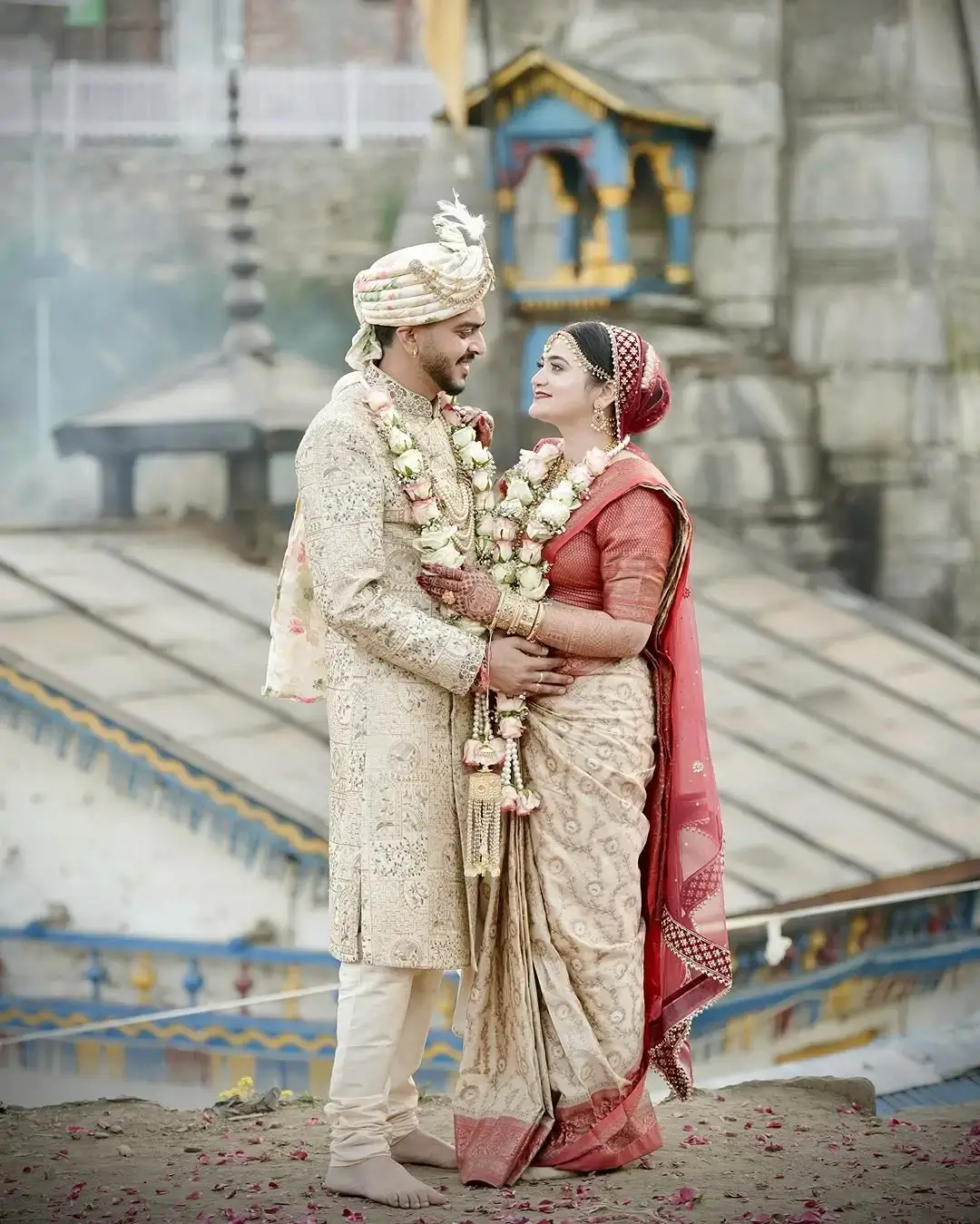
Triyuginarayan is not flashy. No big palace gates, no dramatic drone shots every second. And maybe that’s exactly the point. This small temple village near Kedarnath is believed to be the actual wedding spot of Lord Shiva and Goddess Parvati. There’s this eternal fire, called the Akhand Dhuni, which has supposedly been burning since their wedding. When couples take pheras around it, it’s not just symbolic. It feels heavy, in a good way. Like you’re signing a lifetime contract in front of the universe, not just relatives with phones.
Why are modern couples ditching luxury resorts for Triyuginarayan weddings?
Honestly, I think people are tired. Tired of 5-day events, tired of impressing distant cousins, tired of going broke for one Instagram-perfect night. A triyuginarayan wedding is simple by default. No space for overplanning. Limited guests. Minimal décor because mountains already did that job for you. Financially also, it’s ironic. A destination wedding here often costs less than a single function in Delhi or Mumbai. It’s like choosing homemade food over five-star buffet. Less variety, more soul.
How does a Triyuginarayan wedding ceremony actually happen?
This part surprised me when I read deeper. The rituals are very traditional, very Vedic. No rushing. No short version of mantras. The priest actually explains meanings, which rarely happens in city weddings. The pheras happen near the temple, close to that eternal fire. Phones are allowed, but nobody is obsessed. Even photographers become quieter here. Maybe the altitude does that. Or maybe people just realize this isn’t a place to shout one more pose.
Is social media ruining or helping the Triyuginarayan wedding trend?
Both, honestly. Reels and short videos made this place popular, no doubt. You’ll see captions like Married where gods married and cringe a little. But at the same time, these posts also spread awareness about a place many Indians themselves didn’t know. I saw a Twitter thread once where someone said, This is how weddings should be, not LED dance floors. It got thousands of likes. So yeah, internet drama aside, the sentiment is mostly respect.
What nobody tells you before planning a Triyuginarayan wedding
Let me be real here. It’s not easy. Weather is unpredictable. Elderly guests might struggle with travel. There’s no luxury backup plan if it rains. Mobile network comes and goes like an uninvited guest. But weirdly, these problems bring people closer. When things go wrong, couples laugh more. I read a story where the baraat walked the last stretch because vehicles couldn’t go ahead. Sounds inconvenient, but also kind of beautiful.
Conclusion
This might sound cheesy, but I think it’s both. Even non-super religious couples are choosing it. Not because of astrology or belief alone, but because they want their wedding to mean something beyond decoration themes. In a world where marriages sometimes feel like business deals, a triyuginarayan wedding feels like pressing reset. No distractions. Just vows, fire, mountains, and silence in between chants. And honestly, silence is rare these days.
